The economy and price formation involve the actions of many different actors in a free market. The various goals in a free market are incredibly diverse: they have different priorities, evolve in different ways, change, fade away, and are shaped by specific situations and emotions. Furthermore, these goals are often in conflict with both the individual’s own other or previous goals and the goals of other people. And that is not all. Furthermore, the information regarding all these goals is incomplete, changing, increasing, forgotten, one-sided, or even subject to shifting interests.
One great example of the diversity of the modern economy is branding—that is, creating perceptions of a product. In this process, the product can become completely detached from the buyer’s previously perceived natural and rational real needs. Branding inherently involves rapid change, boredom, enthusiasm, “boom or bust.”
From a Stoic perspective, branding is a most interesting phenomenon: it intrudes into people’s everyday lives and offers them invented emotions or attitudes, and because we humans are social beings, many accept and give permission to the offered emotion or attitude. At the same time, it often happens that, because of this, the appeal of competing products on the market declines, even if they are better products by previous criteria.
Thus, the term “economy,” in the sense of household management (oikos-nomia), is narrow and insufficient. The changing diversity of the economy does not reduce to the common good of the family. The goals, beliefs, and life situations of different communities vary, and individual values vary even more.
Today, the economy is multifaceted, and this multifaceted nature must be understood as such. In the past, the economy was significantly simpler, if only because people were poorer.
At its core, however, all economic activity involves exchange and adaptation to diverse desires. A fiver for the merchant, a chicken leg for me. The word “catallactics” means precisely this free exchange and adaptation, and as a term, we believe it is better suited to the modern world than “economics.” But we are by no means claiming that economics should be practiced specifically on this basis, or that economics is somehow wrong or mistaken in this regard—no. But in this publication, we attempt to reflect on, think about, and understand everyday economics—and especially price formation—through the lens of modern diversity. Furthermore, due to the widespread use of the word “economics,” we must accept its use, so we sometimes do so ourselves.
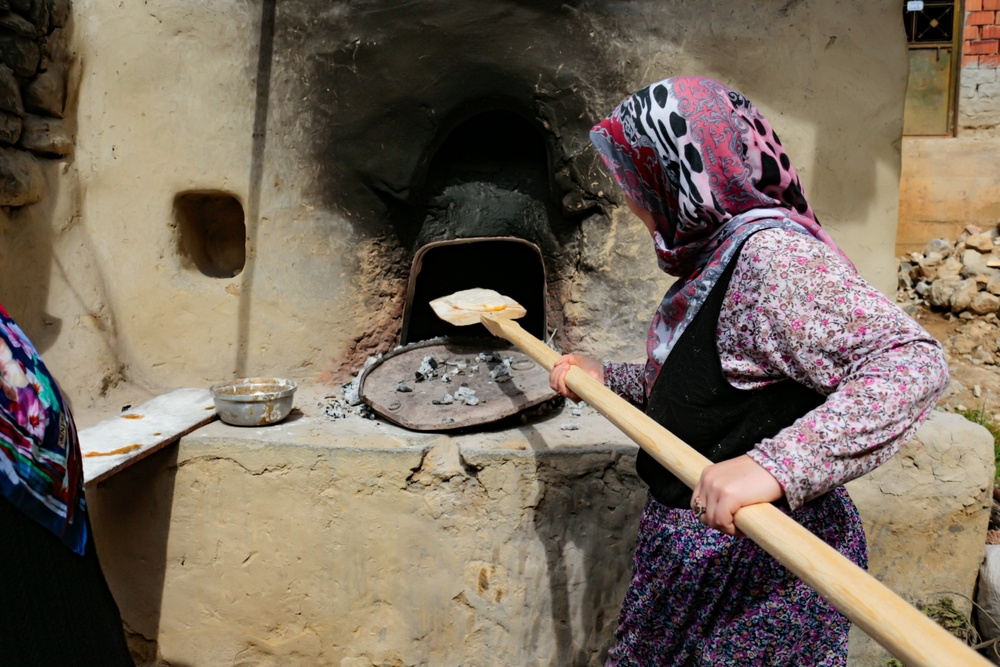
I guess there aren't any economies of scale.